Well-being · Acupuncture
Ancient method. Modern evidence.
Acupuncture has been around for a couple of thousand years — and modern science has finally caught up enough to test it properly. At MEDii we keep the parts the evidence backs, run by doctors, in a regulated medical setting. No mysticism required.
MEDii is a one-stop private medical centre — not a traditional Chinese-medicine shop. We embrace oriental wisdom and hold it to evidence-based standards.
The science, minus the mystique
What's really happening under the needle
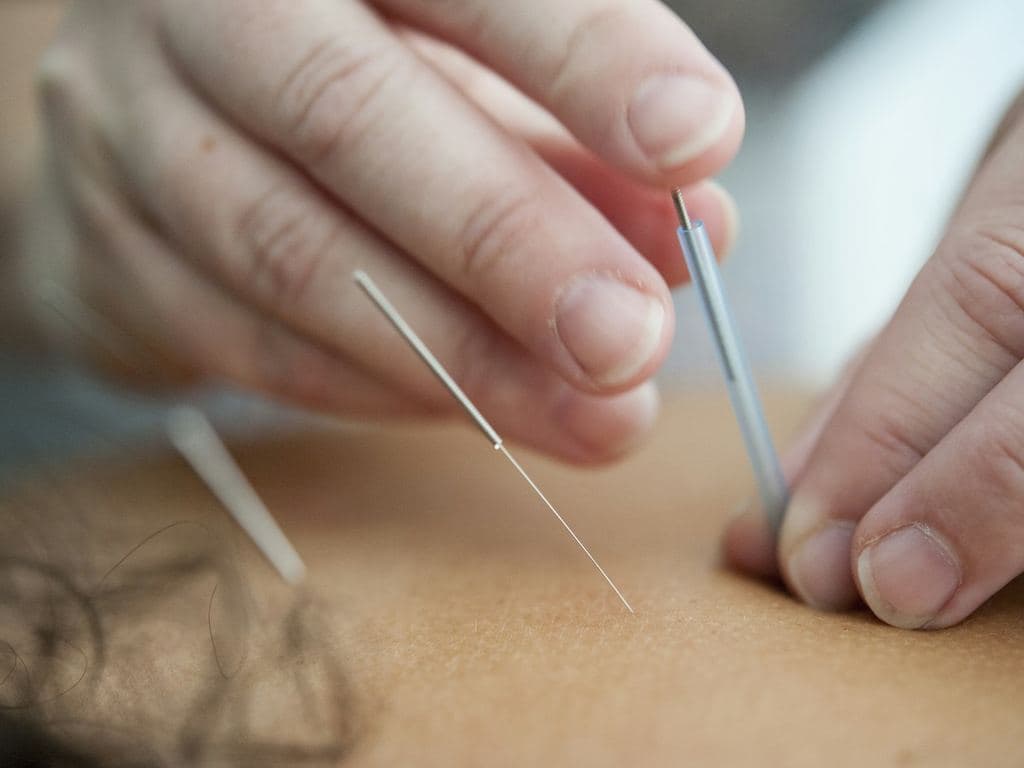
Forget magic. When a fine needle goes in, your body treats it as a tiny, very precise signal. That signal nudges your nervous system, changes local blood flow, and shifts how pain messages travel to your brain. It's less “unblocking mystical energy” and more “politely interrupting your pain-signalling and stress response.” The old maps — meridians, points — turn out to be a remarkably useful way of finding the spots where that works best.
Your nervous system, rerouted
Needling stimulates nerves that modulate how pain signals reach the brain and spinal cord — turning the volume down on pain.
Local chemistry
The body responds with its own messengers (including endorphins) and improved local blood flow around the area being treated.
The stress dial
Many people feel calmer afterwards — acupuncture appears to influence the body's stress-response system, not just the sore spot.
“Old wisdom, read through a modern lens.”
Not a TCM shop
We keep the wisdom — and the receipts
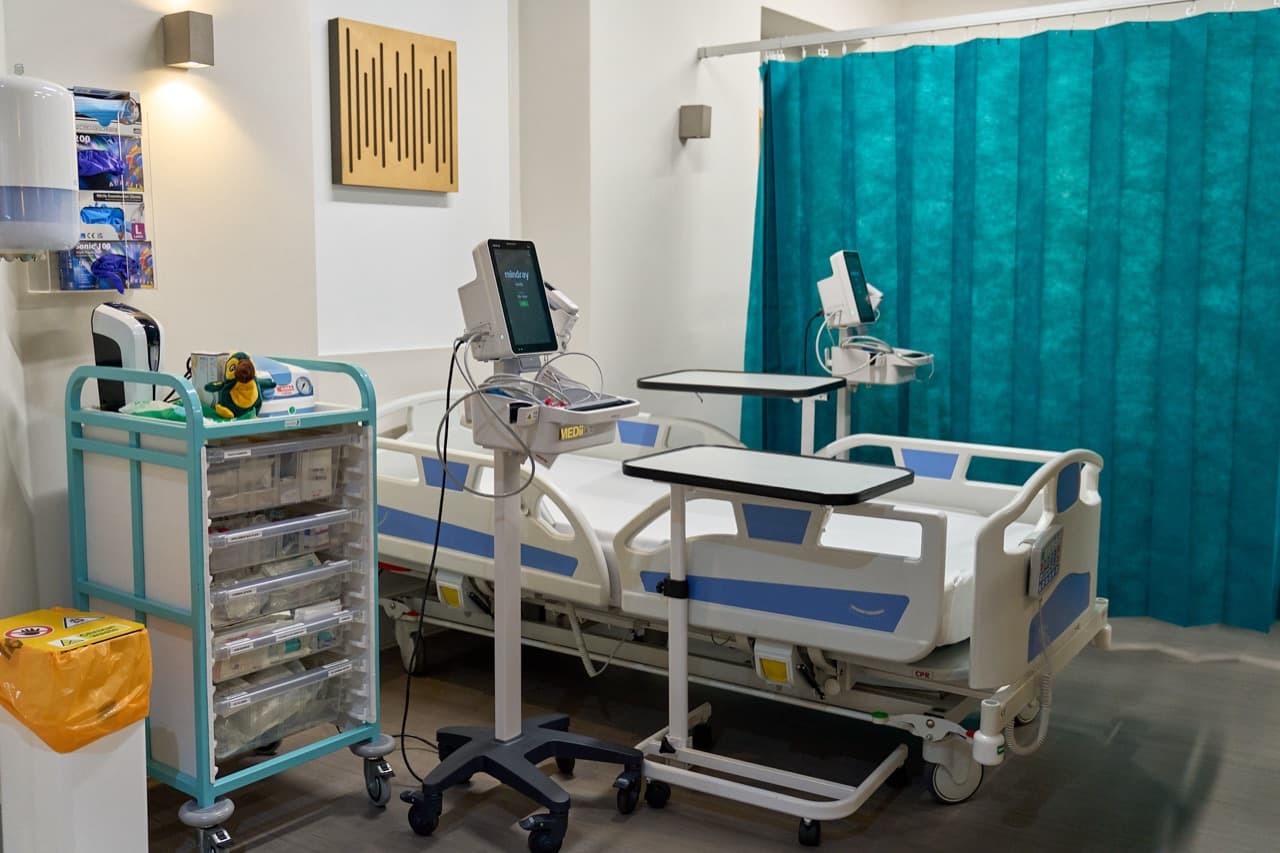
MEDii is a CQC-regulated private medical centre, not a traditional Chinese-medicine clinic. We respect the depth of oriental medicine, but we only offer what stands up to evidence-based practice — and we deliver it the way we deliver everything: safely, by properly trained doctors, in a regulated setting.
Doctor-led — Our acupuncture is performed by well-trained, medically qualified practitioners — not a quick weekend course.
British Acupuncture Council registered — Our practitioners are registered with the British Acupuncture Council (BAcC), the UK's leading professional body for acupuncture.
Deep expertise — Our service is led by a clinician who holds a PhD in Traditional Chinese Medicine from China, specialising in acupuncture — classical training paired with rigorous clinical standards.
Single-use, sterile needles. Regulated medical environment. A doctor who assesses whether acupuncture is right for you in the first place.
Meet our team中西医结合 — East method, West evidence
Where it earns its place
Three things we focus on
We don't claim acupuncture does everything. We focus where the evidence — and our patients' experience — is strongest. Individual results vary, and acupuncture complements your medical care rather than replacing it.
Migraine & headache
What people come for — fewer, less brutal migraine days — especially when medication alone isn't enough or doesn't suit them.
What the evidence says · UK clinical guidance and Cochrane reviews support acupuncture as an option for preventing migraine. In trials, adding acupuncture roughly halved the number of migraine days for some people — and for prevention it can work about as well as preventive medicines, with fewer side effects. Evidence is strongest for episodic migraine.
Joint pain & general pain
What people come for — nagging joint pain, back and neck tension, and long-standing aches that haven't settled.
What the evidence says · In 2021, NICE recommended considering a course of acupuncture for chronic primary pain — a notable nod from the UK's evidence body. For pain such as knee osteoarthritis, trials show short-term improvements in pain and function; benefit varies by person and tends to be a useful addition to exercise and conventional care, not a standalone cure.
Women's health
What people come for — period and pelvic pain, and menopause symptoms such as hot flushes.
What the evidence says · A growing body of research suggests acupuncture may help reduce pelvic and period pain (including pain linked to endometriosis), and some women report fewer or milder hot flushes. The evidence here is promising but still emerging, so we're honest about expectations and tailor each plan — often alongside our Gynaecology team.
Every benefit above is hedged to the evidence (“may”, “some people”, “promising but emerging”) — acupuncture complements medical care and a doctor assesses suitability first.
Your first visit
What to expect
- 01
A proper assessment
A doctor reviews your history and goals and decides whether acupuncture is appropriate for you — and how it fits with the rest of your care.
- 02
A tailored plan
We agree which areas to focus on and how many sessions are sensible. No open-ended packages for the sake of it.
- 03
The session
Fine, single-use sterile needles, placed precisely. Most people find it relaxing; many feel a heavy, warm or tingling sensation — that's normal.
- 04
Review & adjust
We track how you respond and adjust the plan, so your time and money go where they actually help.
Honest expectations, every step. If it's not helping you, we'll tell you.
Ready when you are
Curious whether acupuncture could help you?
Start with a consultation. A MEDii doctor will give you a straight answer on whether acupuncture is worth trying for your situation — and a plan that fits with the rest of your care.
+44 (0) 333 577 3800 · info@mediihealth.com · WhatsApp · WeChat (中文)
Quick answers
Good to know
Does it hurt?
Acupuncture needles are far finer than the ones used for injections. Most people feel little more than a small prick, then a heavy, warm or tingling sensation. Many find the session genuinely relaxing.
Is it safe?
In trained hands it's very safe. We use single-use, sterile needles in a regulated medical setting, and a doctor assesses your suitability first. Mild, short-lived effects (slight bruising or tiredness) are the most common.
How many sessions will I need?
It depends on what we're treating and how you respond. We'll suggest a sensible number up front and review as we go — no never-ending packages.
Will it definitely work for me?
No one can promise that — responses vary from person to person. We focus on areas where the evidence is strongest (migraine, pain, women's health) and we're honest if it isn't helping you.
Can I have it alongside my other treatment?
Usually yes — acupuncture is designed to complement your medical care, not replace it. Because we're a full medical centre, your acupuncture and the rest of your care stay joined up.
Are your practitioners qualified?
Yes — our acupuncture is doctor-led, our practitioners are registered with the British Acupuncture Council, and our service is led by a clinician with a PhD in Traditional Chinese Medicine (acupuncture specialism).
This is a well-being service, not emergency care. In a medical emergency, call 999 or go to your nearest A&E.
Guidance and research evolve; our practice follows current evidence-based standards. Individual results vary.